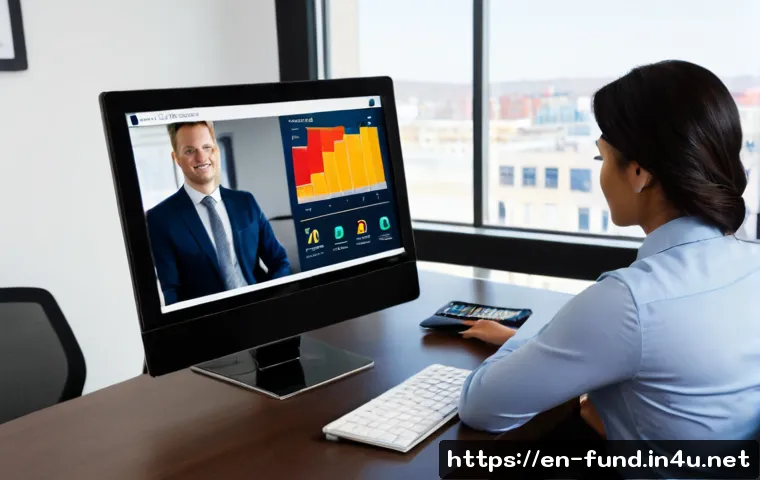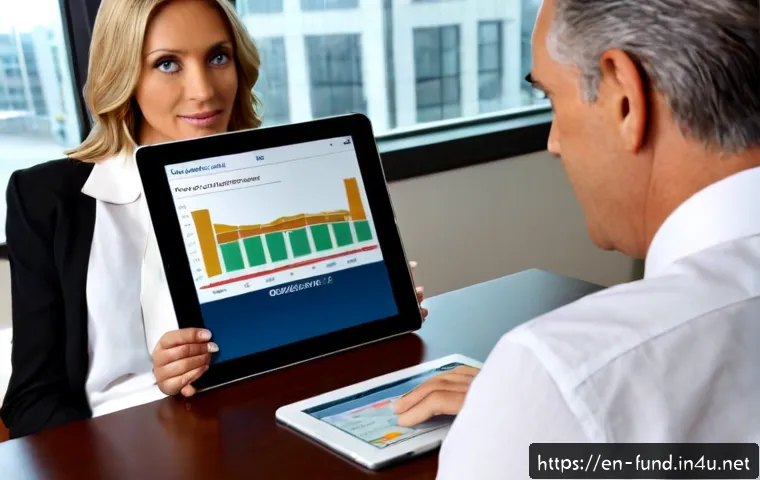
Technology can make fund advice faster to access, easier to review, and simpler to manage, but it cannot determine whether an investment approach truly fits every investor.
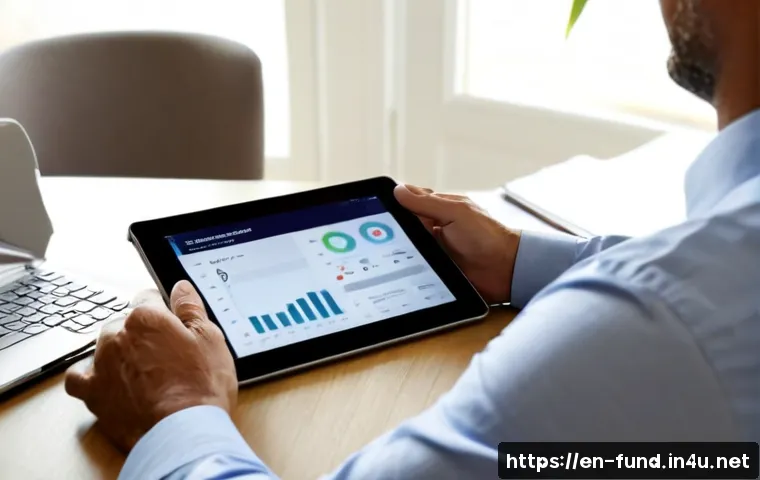
A digital platform may suit straightforward needs, a hybrid advisor can combine tools with human support, and a traditional advisor may be more useful when decisions are complex.
The best choice depends on the level of guidance, portfolio visibility, fee categories, and data-security practices you can verify. Before opening or transferring an account, compare the service model rather than assuming automation means lower cost or better results.
Fund investing still involves risk, and no software feature guarantees performance.
At a Glance
- Digital platforms can streamline onboarding, account access, and portfolio reporting for investors who want a more self-directed experience.
- Hybrid advisory services may offer automated portfolio tools alongside access to a human advisor when questions arise.
- Traditional advisor relationships can provide more personalized discussion, but investors should still compare advisory fees, fund expenses, and service scope.
| Service model | Typical fee structure to review | Human access | Portfolio tools | Security questions |
|---|---|---|---|---|
| Digital-first platform | Platform charges, fund expense ratios, possible transaction costs | May be limited or available by request | Digital onboarding, dashboards, automated alerts, rebalancing features | How account access, identity verification, and data privacy are handled |
| Hybrid advisor service | Advisory fees, fund expenses, platform charges, possible transaction costs | Usually includes some level of advisor support | Client portal, portfolio reporting, secure messaging, allocation monitoring | Who can view data, how messages are secured, and what support is available for account access issues |
| Traditional advisor service | Advisory fees, fund expense ratios, possible transaction costs, account charges | More direct relationship-based access may be available | Reporting systems may still be digital, with advisor-led review | How documents are shared, stored, and protected across digital and offline processes |
What Technology Changes in Modern Fund Advice
Faster onboarding, portfolio visibility, and investor communication
Technology has changed much of the administrative side of fund investing. Digital onboarding can streamline account opening, identity verification, document collection, and suitability questionnaires. That can reduce back-and-forth paperwork and give investors a clearer starting point when comparing an investment platform or wealth management service.
Portfolio-management systems can also help advisors consolidate holdings, monitor allocations, and prepare client reports. For an investor, a client portal may make it easier to review holdings, documents, and account information without waiting for a meeting. Video meetings and secure messaging can be particularly helpful for remote clients who want more accessible communication.
The practical question is not simply whether a provider has an app or dashboard. Ask whether the tools make information easier to understand. A clean portfolio report is useful only if you can see what you own, how allocations are being monitored, and where to ask questions.
What remains a human judgment call: goals, risk, and suitability
Technology can support analysis and administration, but it does not remove the need for judgment. Investment goals, time horizon, risk tolerance, and tax position are personal factors that cannot be reduced to a generic result without careful review.
An automated questionnaire may be a useful starting point, yet investors should not assume an automated recommendation is suitable merely because it was generated quickly. A portfolio that appears efficient on a screen may not reflect a future spending need, a concentrated financial decision, or a change in personal circumstances.
Fund advice should also include clear risk disclosure. No digital wealth-management tool, portfolio-management system, or financial advisor can eliminate investment risk or guarantee fund performance.
Comparing Human Advisors, Hybrid Services, and Digital Platforms
Service level, access to advice, and portfolio-management features
A digital-first platform may fit an investor who wants straightforward portfolio management, online access, and a process that is largely self-directed. The appeal is often convenience: digital account setup, portfolio dashboards, and structured prompts can make routine tasks easier.
A hybrid service can be worth comparing when you want digital reporting and automation but also want a person available to discuss the portfolio process. Before choosing one, verify what “human support” actually means. It may range from general service assistance to more detailed advisory conversations.
A traditional advisor may be more appropriate when your goals require frequent discussion or when several decisions interact. Technology still has value in this model because secure document sharing, portfolio reports, and video meetings can improve communication. The differentiator is the level of human review, not the absence of software.
Fee categories to review before choosing a provider
Cost comparisons should go beyond one headline fee. Review the current disclosures for advisory fees, fund expense ratios, platform charges, trading costs, and account-related charges. Not every provider uses every fee category, and the exact charges can change, so direct comparison requires current documentation.
Also compare what the service includes. A lower-cost digital investment platform may provide basic automation and reporting, while a higher-touch advisory service may include more opportunities for conversation. Neither model is automatically better value. The relevant question is whether the service level matches the decisions you actually need help with.
Technologies That Can Improve the Investor Experience
Client portals, reporting dashboards, and secure document sharing
Client portals can centralize account documents, reports, and communication. Reporting dashboards may help investors see allocations and account activity in one place. These tools can support better organization, especially when several holdings need to be reviewed together.
Secure messaging and document sharing matter as much as convenience. Before using a digital advisory service, look for clear information about account-access procedures, privacy practices, and the safeguards used for client information. If the process is unclear, ask before uploading sensitive documents.
Rebalancing tools and alerts: useful features with important limits
Automated portfolio rebalancing may help support a target allocation. Alerts can also prompt attention when an account needs review. These features may reduce routine monitoring tasks, but the settings deserve attention.
Rebalancing is not a substitute for understanding the investment plan. Review how the feature is configured, whether an advisor is involved, and whether tax implications need consideration. Automation can follow a rule, but investors should not treat it as a complete personalized financial decision.
Practical Risks and Common Mistakes to Avoid
Mistaking automation for personalized investment advice
A common mistake is treating a digital recommendation as if it fully accounts for every relevant detail. Automated tools can collect information and suggest a process, but suitability may require more context than a standard questionnaire captures.
If you have questions about objectives, risk, time horizon, or a major change in circumstances, do not rely only on an on-screen prompt. Ask how the service handles review, escalation, and human oversight. That is especially important when a recommendation appears simple but the consequences are not.

Overlooking fund expenses, advisory charges, privacy, and cybersecurity
Another mistake is focusing only on the interface. A polished dashboard does not answer the essential questions about fund expenses, advisory charges, transaction costs, or account-access controls. Compare the disclosures and the service agreement before making a decision.
Data privacy and cybersecurity should be treated as material selection criteria. Check how identity verification works, how account access is protected, what communication channels are considered secure, and what procedures apply if access to the account becomes a concern.
Which Approach Fits Different Investor Situations?
Cost-conscious investors seeking straightforward portfolio management
Investors who want a simple fund-investing process may find a digital platform worth considering. Useful features can include digital onboarding, portfolio visibility, client reporting, and automated rebalancing. The trade-off may be less direct access to personalized guidance.
For this situation, focus on the full fee picture and on whether the platform’s portfolio tools are understandable. Low cost is only one criterion; the service should also provide clear disclosures, practical account access, and reasonable security information.
Investors with complex goals, taxes, or concentrated financial decisions
When goals are more complex, a hybrid advisor or a more traditional advisory relationship may deserve closer review. Technology can still improve the experience through dashboards, secure messaging, and remote meetings, but a human conversation may be more valuable when decisions require detailed context.
Do not assume that more human contact automatically means better outcomes. Instead, ask what type of advice is available, how portfolio recommendations are reviewed, and which fees apply. The right model is the one that offers an appropriate level of support for your circumstances.
Selection Criteria and Comparison Summary
Before selecting a financial advisor, hybrid service, or digital investment platform, use a short decision checklist:
- Fees: Have you reviewed advisory fees, fund expense ratios, platform charges, and possible transaction or account costs?
- Fund choice: Can you understand how funds are selected, monitored, and reported?
- Human support: Is advisor access available when you need clarification about goals, risk, or suitability?
- Portfolio tools: Do dashboards, reports, alerts, and rebalancing settings provide useful information without creating false confidence?
- Data protection: Are privacy practices, cybersecurity controls, and account-access procedures clearly explained?
For final comparisons, review the provider’s official fee disclosures, service description, account-access procedures, and data-security information on the relevant service page.
Closing Thoughts
Technology can make fund advice more accessible and easier to manage. It can reduce administrative friction, improve portfolio visibility, and support remote communication. However, software does not guarantee performance or replace a careful review of suitability. Compare the service model, total cost categories, human support, and security practices before deciding where to invest.
Useful Information to Keep in Mind
1. Digital onboarding can simplify paperwork, but you should still review what you submit.
2. Portfolio reporting can improve visibility, but it is not a prediction of future fund performance.
3. Automated rebalancing may support an allocation target, yet its settings and potential tax implications require review.
4. Secure messaging and client portals are useful only when account-access and privacy procedures are clear.
Important Considerations
This information is general and does not determine whether a particular fund, advisor, platform, or automated recommendation is appropriate for you. Exact fees, human oversight, cybersecurity practices, regulatory status, and service features must be verified through current provider disclosures. Fund investing involves risk, and technology does not guarantee results.
Frequently Asked Questions
Q1. Can digital tools replace a fund investment advisor?
A1. Digital tools can assist with onboarding, reporting, communication, allocation monitoring, and administration. They do not automatically replace the judgment needed to assess personal goals, risk tolerance, time horizon, and suitability. Whether human advice is needed depends on the investor and the complexity of the decision.
Q2. What fees should I compare when choosing a digital or hybrid investment advisory service?
A2. Review advisory fees, fund expense ratios, platform charges, possible transaction costs, and account-related charges where applicable. Check current disclosures because the exact fee structure varies by provider and service.
Q3. Are automated fund recommendations safe for long-term investors?
A3. Automated recommendations may be useful tools, but they do not guarantee suitability or investment performance. Long-term investors should understand the recommendation process, review the allocation and rebalancing settings, consider tax implications where relevant, and confirm whether human support is available when needed.